Independent since 2007 · Free for you
Help that feels human again.
Compare licensed treatment near you, or read answers from licensed counselors. No pressure, no sales scripts.
Tell us what’s going on
Connects you to licensed-expert Q&A and reviewed resources. Not medical advice. In crisis? Call or text 988.
Every listing reviewed · We never sell your details · Not medical advice ·




5,200+
Treatment listings
400+
Detox programs
900+
Counties covered
100+
Expert contributors
Paid listings are always labeled as advertising. How we make money →
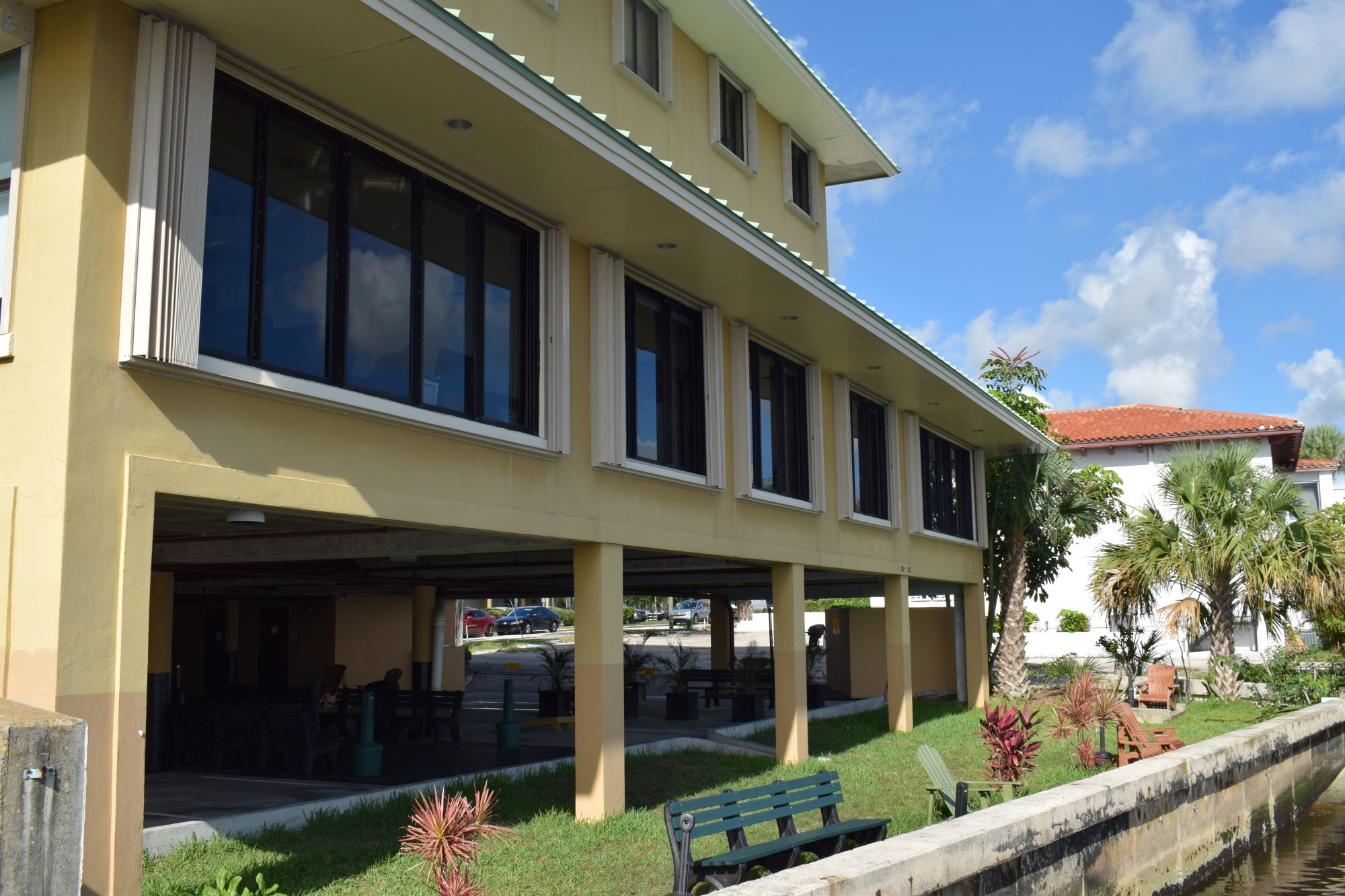
Banyan Stuart
Stuart, Florida
$$$$48 bedsTreatment Center
Banyan Stuart is a substance use treatment facility located along the St. Lucie River in Stuart, Florida, offering a peaceful waterfront setting for adults beginning their recovery journey. Conveniently located on Florida’s Treasure Coast, north of Palm Beach and south of Vero Beach, our facility provides a structured and supportive environment where individuals can focus on their health and recovery. Our programs include medically supported detox and residential treatment for adults experiencing substance use and co-occurring mental health disorders. Through individualized treatment planning and support from an experienced multidisciplinary team, Banyan Stuart helps clients address the challenges associated with addiction while building skills and strategies to support continued recovery.
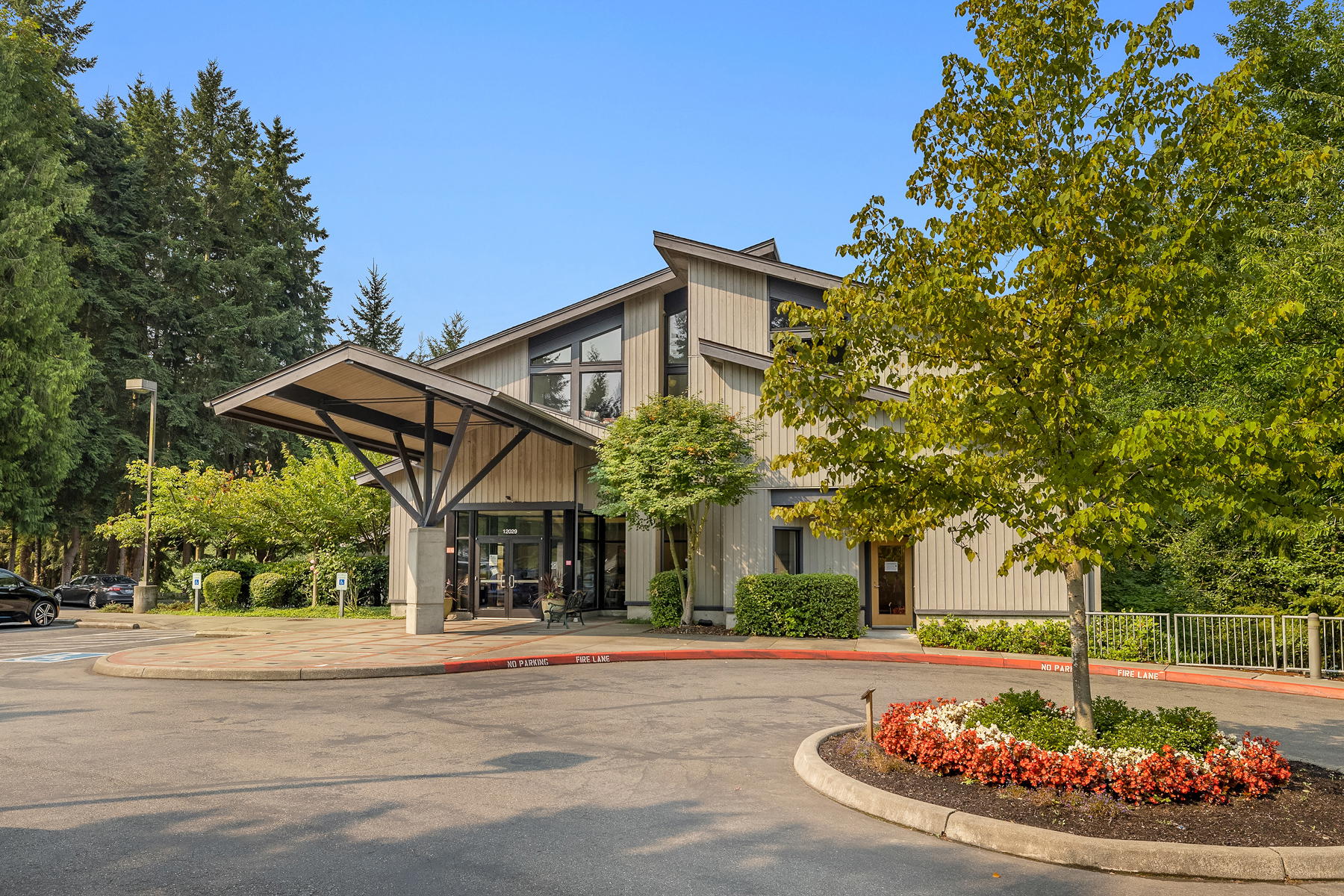
Newport AcademyVerified
Kirkland, Washington
Treatment Center
With locations in Washington and nationwide, Newport Healthcare provides industry-leading mental health treatment for teens and young adults with mental health and co-occurring disorders. Newport’s evidence-based, multidisciplinary clinical model is proven to create lasting recovery.
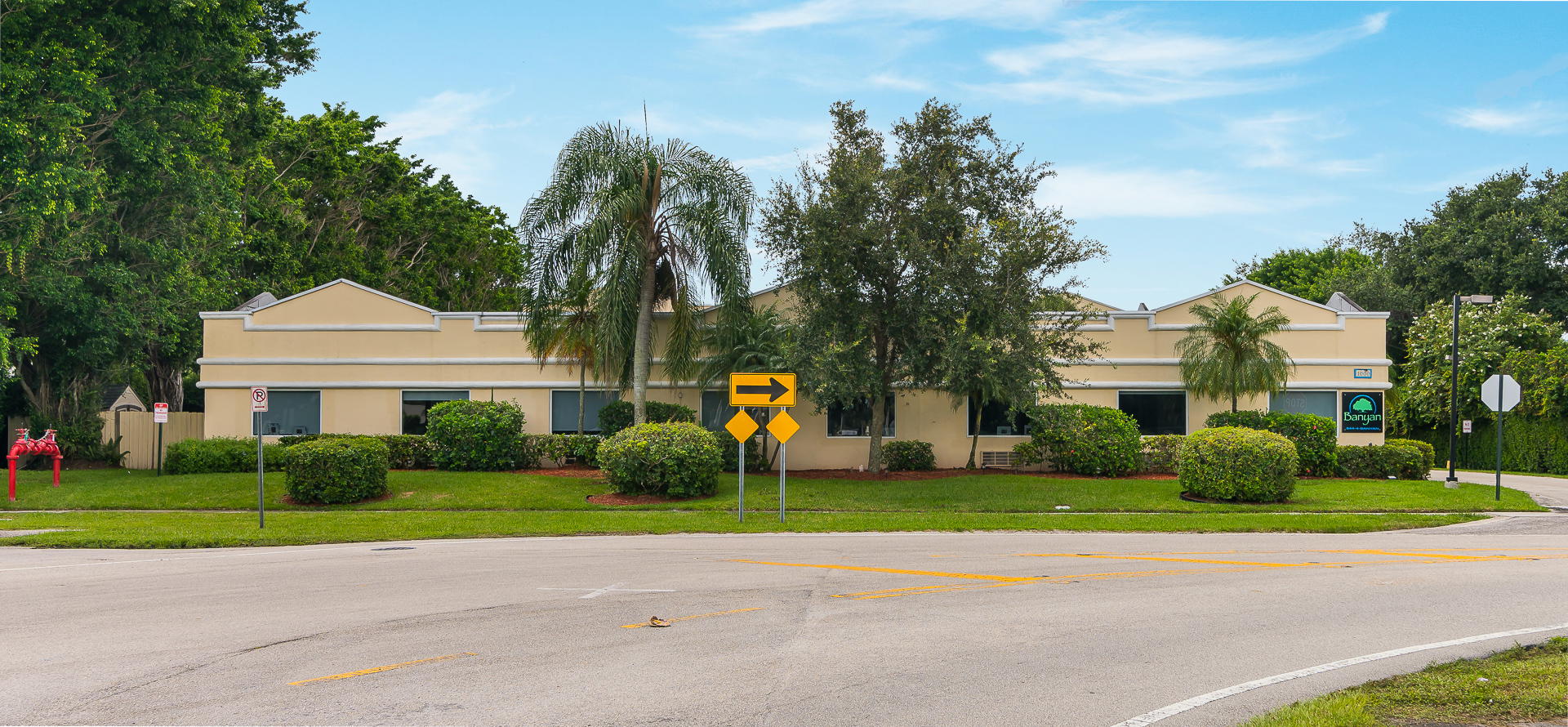
Banyan Boca
Boca Raton, Florida
$$$$50 bedsTreatment Center
Banyan Boca is a residential mental health treatment facility located in Boca Raton, Florida, approximately 30 minutes from Palm Beach International Airport. The facility provides structured inpatient care for adults experiencing mental health and co-occurring conditions. Treatment is individualized and may include individual and group therapy, psychiatric support, medication management, and evidence-based therapeutic approaches within a supportive residential setting.
Banyan Sebring
Sebring, Florida
$$$$60 bedsTreatment Center
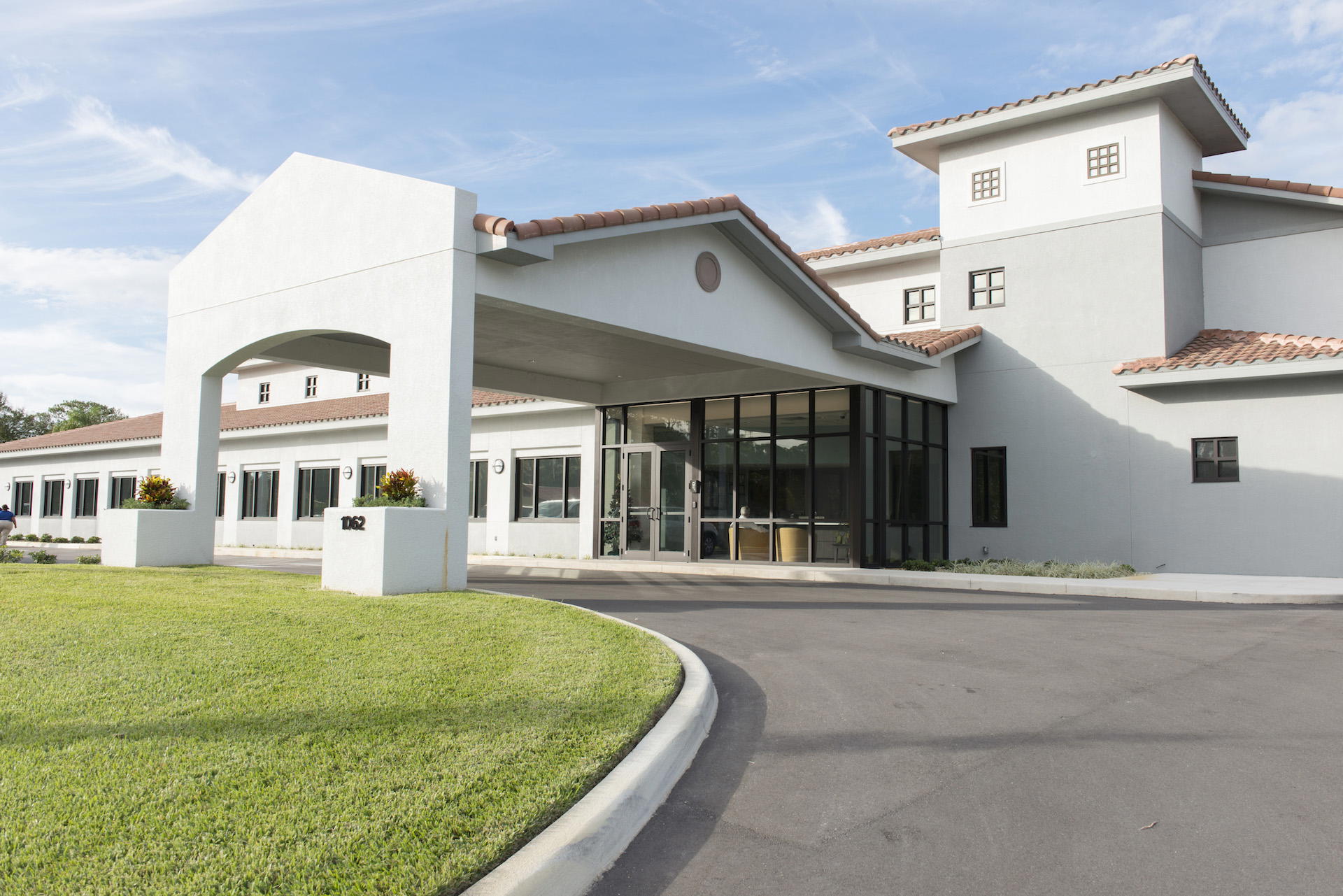
Banyan Sebring is a residential treatment facility in Sebring, Florida, providing structured care for adults struggling with substance use disorders, mental health conditions, and co-occurring disorders. Our residential setting offers a supportive environment where clients can step away from the challenges of daily life and focus on their health, stability, and long-term recovery. Located in Central Florida, Banyan Sebring provides a peaceful setting for individuals seeking comprehensive residential addiction and mental health treatment. Our team is committed to delivering compassionate, individualized care throughout each client's treatment journey.

Banyan Tampa
Seminole, Florida
Treatment Center
Banyan Treatment Center Tampa is a licensed inpatient mental health facility in Pinellas County providing psychiatric treatment for adults with moderate to severe mental health disorders. Services include 24/7 supervision, mental health assessments, symptom stabilization, and individualized treatment planning.

Clearfork Academy
Fort Worth, Texas
Outpatient Rehab
Clearfork Academy’s Fort Worth outpatient facility at 3880 Hulen St serves adolescents ages 13–17 who need more support than traditional weekly therapy but do not require round-the-clock residential care. The facility provides structured treatment for mental health concerns, substance use disorders, behavioral challenges, and co-occurring conditions. Teens can receive treatment while continuing to live at home and remain connected to their families, schools, and communities.
Banyan Stuart
Stuart, Florida
$$$$48 bedsTreatment Center
Banyan Stuart is a substance use treatment facility located along the St. Lucie River in Stuart, Florida, offering a peaceful waterfront setting for adults beginning their recovery journey. Conveniently located on Florida’s Treasure Coast, north of Palm Beach and south of Vero Beach, our facility provides a structured and supportive environment where individuals can focus on their health and recovery. Our programs include medically supported detox and residential treatment for adults experiencing substance use and co-occurring mental health disorders. Through individualized treatment planning and support from an experienced multidisciplinary team, Banyan Stuart helps clients address the challenges associated with addiction while building skills and strategies to support continued recovery.
Newport AcademyVerified
Kirkland, Washington
Treatment Center
With locations in Washington and nationwide, Newport Healthcare provides industry-leading mental health treatment for teens and young adults with mental health and co-occurring disorders. Newport’s evidence-based, multidisciplinary clinical model is proven to create lasting recovery.
Banyan Boca
Boca Raton, Florida
$$$$50 bedsTreatment Center
Banyan Boca is a residential mental health treatment facility located in Boca Raton, Florida, approximately 30 minutes from Palm Beach International Airport. The facility provides structured inpatient care for adults experiencing mental health and co-occurring conditions. Treatment is individualized and may include individual and group therapy, psychiatric support, medication management, and evidence-based therapeutic approaches within a supportive residential setting.
Banyan Sebring
Sebring, Florida
$$$$60 bedsTreatment Center
Banyan Sebring is a residential treatment facility in Sebring, Florida, providing structured care for adults struggling with substance use disorders, mental health conditions, and co-occurring disorders. Our residential setting offers a supportive environment where clients can step away from the challenges of daily life and focus on their health, stability, and long-term recovery. Located in Central Florida, Banyan Sebring provides a peaceful setting for individuals seeking comprehensive residential addiction and mental health treatment. Our team is committed to delivering compassionate, individualized care throughout each client's treatment journey.
Banyan Tampa
Seminole, Florida
Treatment Center
Banyan Treatment Center Tampa is a licensed inpatient mental health facility in Pinellas County providing psychiatric treatment for adults with moderate to severe mental health disorders. Services include 24/7 supervision, mental health assessments, symptom stabilization, and individualized treatment planning.
Clearfork Academy
Fort Worth, Texas
Outpatient Rehab
Clearfork Academy’s Fort Worth outpatient facility at 3880 Hulen St serves adolescents ages 13–17 who need more support than traditional weekly therapy but do not require round-the-clock residential care. The facility provides structured treatment for mental health concerns, substance use disorders, behavioral challenges, and co-occurring conditions. Teens can receive treatment while continuing to live at home and remain connected to their families, schools, and communities.
Own one of these?
Get your program listed — free.
Correct your details, add photos, reach people searching nearby.
Start here
Browse the Directory
Narrow by care, insurance, or who a program treats.
Not looking for a facility?Ask an Expert·Therapists & Counselors·Recovery Guides·Help for Family & Friends
By location
Browse by State
Tap the map, or scroll the row.Tap your state on the map, or scroll the row — most listings first.
Expert Q&A
Ask a licensed counselor
Real questions from real people, answered on the record by licensed clinicians — no sales scripts.
- What is this high pitched sound I hear since stopping pot?Answered by Stuart Shipko, M.D.
- How Long Does Xanax Withdrawal Last? How Do I Cope?Answered by David Sack, MD
- Is Withdrawal Worse the Longer You are on Suboxone?Answered by Anna Deeds, MSED, NCC, LPC
- Should I Tell My Parents I'm Feeling Depressed?Answered by Stephanie Adams, MA, LPC
Guides & articles
Recovery A–Z
Plain-language guides on addiction and mental health.


Understanding the Insanity of Alcoholism: How the Alcoholic Thinks
One of the finest compliments I receive from recovering alcoholics is that despite the fact that I am not an alcoholic, I understand how their minds work. I have profound respect for all the old sayings in AA. Some are open to interpretation - the "insanity of our disease" is a literal statement.
Xanax Withdrawal Symptoms & How to Quit Xanax
Learn what to expect from a Xanax detox, and how to deal with Xanax withdrawal symptoms.
70 Reasons Why Life is Better without a Heavy Marijuana Habit
Thinking about giving up marijuana but not sure you’re ready to take the plunge? Well, here are 70 benefits of quitting – all first-hand accounts from previously heavy users about how life changes for the better once you don’t need to get high all the time.
Benzodiazepine Withdrawal: What to Expect - How to Taper – How to Cope
Done wrong, a benzodiazepine detox can turn into months of agony. Done right, by slow taper, it’s very manageable. Read on to learn more about what to expect, how to taper, how to minimize your withdrawal symptoms and how to cope with those you do experience.
How to Taper off Benzodiazepines – 11 Secrets to Success
11 tips for making a tapering plan that minimizes the discomfort, puts you in control of the process and gets the results you want.
How Long to Stay on Suboxone – Advice from a Suboxone Doc
Four pieces of advice on how long you’ll need to use Suboxone from one of America’s leading experts on the use of the drug.
Straight answers
Questions People Ask Us
What it costs, how long it takes, who pays — and how we make money.
How much does treatment cost?
It varies more than almost any other kind of care. Outpatient programs commonly run $1,000–$10,000, while residential treatment typically costs $5,000–$80,000 or more for a 30-day stay — the spread tracks length of stay, medical intensity, staffing, and amenities. Insurance, Medicaid, sliding-scale fees, and state-funded programs put most people’s actual out-of-pocket cost well below those figures. Before you commit, ask the program for the full price in writing, including detox, medication, and anything billed separately.
Programs offering sliding-scale fees→How long does treatment take?
Detox is medically supervised withdrawal and usually takes 3–10 days. Residential treatment typically runs 28–90 days or longer, and outpatient programs (PHP, IOP, and standard outpatient) run for weeks to months while you live at home. SAMHSA research associates 90 days or more in treatment with better outcomes for most people, though meaningful treatment can begin in as few as 28 days. Medication for opioid or alcohol use disorder is often continued for months or years — staying on it long term is part of treatment working, not a sign that it hasn’t.
Compare levels of care→Will my insurance cover it?
Usually at least in part. Under the Mental Health Parity and Addiction Equity Act and the Affordable Care Act, most private plans, Medicaid, Medicare, and TRICARE must cover substance use and mental health treatment comparably to other medical care. What you actually pay depends on your plan, your deductible and out-of-pocket maximum, whether the facility is in-network, and whether the level of care needs prior authorization. Call the number on the back of your insurance card and ask about your substance use and mental health benefits — and note that most admissions teams will verify your benefits for you, free, before you commit to anything.
Verify your insurance→Can I lose my job if I go to treatment?
Going to treatment is protected in most cases. The Family and Medical Leave Act gives eligible employees — generally those with about a year of service at an employer with 50 or more staff — up to 12 weeks of unpaid, job-protected leave a year for treatment of a serious health condition, and substance use treatment counts. The Americans with Disabilities Act protects people in recovery and people currently in a treatment program, though neither law protects current illegal drug use or excuses breaking workplace rules. Your privacy is protected too: under 42 CFR Part 2, a treatment program cannot tell your employer you are there without your written consent. Employment law varies by state and by situation, so check your employer’s policy — or ask an employment lawyer — before relying on this.
Is ChooseHelp free to use?
Yes. Browsing the directory, reading our guides, and asking our experts a question are all free. The site is supported by advertising.
How we make money→How do you make money?
Treatment facilities can pay a flat fee to advertise an enhanced “Featured” listing in our directory. That fee is the same whether the listing gets one visitor or ten thousand — it is paid for the placement itself, and every paid listing is clearly labeled as advertising.
How we make money→Do you take a cut when I contact a treatment center?
No. A treatment-center listing is sold as a flat monthly fee — not per call, per lead, or per admission — so we are paid the same whether you call a facility or not. We also do not sell your personal information. Fees tied to admissions are how some referral services end up steering people toward whoever pays most, and flat pricing removes that incentive.
Privacy policy→Does paying change a facility’s ranking or its reviews?
No. Payment affects placement and presentation only. It never changes our reviews, our editorial content, or the ranking of the unpaid facilities that appear alongside paid ones. A facility cannot pay to alter its rating or to have a negative review removed.
Advertising policy→I run a treatment program — how do I get listed?
Listing is free. Claim your program to correct its details, add photos, and reach people searching in your area. A paid Featured placement is optional and always labeled as advertising.
Claim your listing→It’s free to be on ChooseHelp.
Treatment centers, therapists, and recovery services.